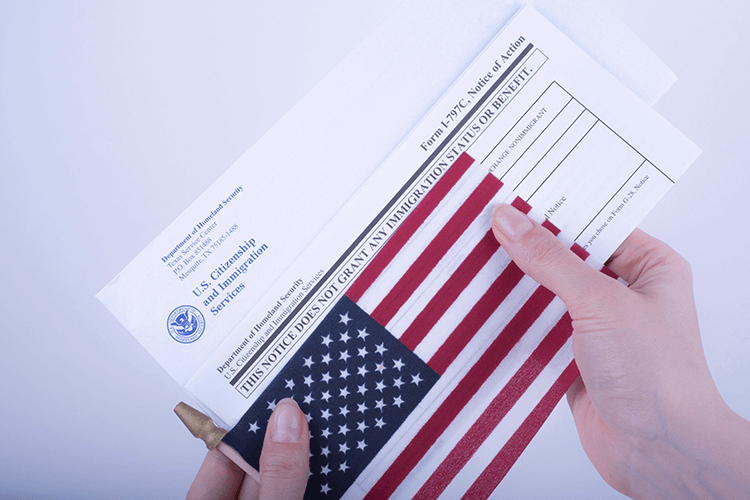
Getting a work permit in the United States opens up many career opportunities. But where should you start? What are the necessary steps to work legally in the U.S., and which documents do you need?
Many people have questions like: What types of work permits are available? How do I pick the right one? What is the application process, and how long does it take? Understanding these steps is crucial for anyone looking to work in the U.S. and achieve their career goals.
This guide will walk you through the process of obtaining a U.S. work permit. We will cover the different types of permits, the required documents, and how to complete your application. By following this guide, you’ll have everything you need to begin your journey to working in the United States.

Is It Hard To Get A Job In USA As A Foreigner?
Finding a job in the USA as a foreigner can be tough, but with careful planning and the right steps, it’s possible. Here’s a simple guide on what to keep in mind:
1. Visa Requirements
To work in the USA legally, you’ll need a work visa. The visa type depends on the job you’re applying for. The H-1B visa is common for specialized roles in fields like tech or engineering. The L-1 visa is for employees being transferred within a company from overseas to a US branch. The O-1 visa is for people with exceptional skills, like top artists, athletes, or scientists. To get any of these visas, you must first receive a job offer from a US employer willing to sponsor you. The employer submits paperwork to immigration authorities, which can be a long and competitive process.
2. Job Market Demand
- High-Demand Fields: Certain sectors, such as technology, healthcare, and engineering, need skilled workers and are more open to hiring foreign talent. If you have skills in these areas, you may find it easier to get hired and sponsored for a visa.
- Competitive Fields: In industries like marketing, media, or business, there may be more competition for jobs. To stand out, you might need specialized skills, more experience, or something unique, like fluency in multiple languages or international experience.
3. Qualifications and Experience
- Relevant Skills: Make sure your qualifications and experience match the job requirements. US employers prefer candidates with skills that are in demand but hard to find locally. Highlight the skills that best suit the position in your resume.
- Credential Recognition: If you hold a degree or certification from another country, check if it’s recognized in the USA. You might need to have your credentials evaluated or complete additional exams to meet US standards.
4. Networking and Connections
Networking is crucial when job hunting in the US. Building connections can help you find job openings, receive recommendations, and meet people who might assist in your search. Attend industry events, join professional groups, and use LinkedIn to connect with people in your field. Sometimes, having the right connections can give you an edge.
5. Language Skills
Being fluent in English is important for working in the US. Most workplaces use English for communication, so having strong speaking and writing skills is necessary. If English isn’t your first language, consider taking courses to improve. Good communication will help in interviews and day-to-day work situations.
6. Application Process
Job searching in the US requires more than just applying online. Look for openings on job boards, company websites, or recruitment agencies that focus on foreign workers. Tailor your resume and cover letter to US standards, showcasing your skills, experience, and any US education or work history. Be clear about your visa status and whether you need sponsorship.
7. Cultural Adaptation
Work culture in the US might be different from what you’re used to. Understanding these differences can help you adapt and succeed. For example, US workplaces value punctuality, initiative, and teamwork. Learning about workplace norms, such as how meetings are run, the importance of networking, and expectations around work-life balance, will help you fit in and perform well.
How Many Years Does It Take To Get A Work Permit In USA?
The time it takes to get a work permit in the USA can vary depending on the type of visa, how quickly U.S. Citizenship and Immigration Services (USCIS) processes your application, and your personal situation. Here’s a simple guide:
1. Type of Visa
- H-1B Visa: This visa is for jobs requiring specialized skills. It typically takes about 3 to 6 months to process. If you need it faster, you can pay for premium processing, which speeds it up to around 15 days.
- L-1 Visa: This visa is for people transferring within their company from a foreign branch to a US branch. Processing time is usually 1 to 6 months.
- O-1 Visa: For individuals with extraordinary abilities in fields like science, arts, or sports, the processing time is generally 2 to 3 months. Premium processing is also available.
2. Application Process
- Labor Certification (if required): Some visas, like the H-1B, may require a Labor Condition Application (LCA), which can add a few extra weeks to the process.
- Petition Approval: Your employer must file a petition with USCIS, and the approval time varies based on the visa type and current processing times.
- Consular Processing: If you’re applying from outside the US, you’ll need to go through consular processing at a US embassy or consulate. This can take additional time based on their schedule.
3. Current Processing Times
Processing times can change depending on the number of applications USCIS is handling, changes in immigration rules, and other factors. It’s a good idea to check the latest processing times on the USCIS website or consult an immigration lawyer for the most up-to-date information.
4. Additional Steps
Background Checks and Security Clearances: Depending on your case, you may need additional checks, which could take more time. This depends on your specific situation.
What Is The Maximum Age Limit For A Work Permit In the USA?
In the United States, there is no specific age limit for obtaining a work permit. What matters most when applying for a work permit are your job offer, qualifications, and ability to meet the visa requirements, rather than your age.
Key Points to Keep in Mind:
Visa Requirements: Work visas such as H-1B, L-1, and O-1 are based on your job offer, skills, and qualifications. As long as you fulfill the visa criteria and have a legitimate job offer, age is not a factor. Employer Preferences: While employers may have certain preferences, they cannot make hiring decisions based on age. U.S. laws ensure that hiring practices are fair, meaning age should not stop you from obtaining a work permit. Special Programs: Though most work visas don’t have age restrictions, there may be rare cases or specific programs with age-related criteria, but this is uncommon. Pathways to Permanent Residency: If you’re aiming for permanent residency, like through an Employment-Based Green Card, age could influence certain points systems in immigration. However, this does not directly impact your ability to receive a work permit.
How To Get A USA Work Permit For Foreigners
Getting a work permit in the U.S. as a foreigner involves several important steps. Here’s a simplified guide to help you through the process:
1. Pick the Right Work Visa
- H-1B Visa: For jobs that require a bachelor’s degree or higher.
- L-1 Visa: For employees transferring to a managerial or specialized position within the same company.
- O-1 Visa: For people with exceptional skills or accomplishments in their field.
- TN Visa: For professionals from Canada and Mexico under NAFTA.
2. Get a Job Offer
You must first get a job offer from a U.S. employer who is willing to sponsor you. The job should match the type of visa you are applying for.
3. Employer Files the Petition
- Your employer must file a petition with U.S. Citizenship and Immigration Services (USCIS) on your behalf. For example, if you’re applying for an H-1B visa, your employer will use Form I-129.
- Your employer will also need to submit documents like the job offer letter and proof of your qualifications.
4. Labor Condition Application (if required)
For the H-1B visa, your employer may need to get a Labor Condition Application (LCA) from the U.S. Department of Labor (DOL) to prove that hiring you won’t negatively impact U.S. workers’ wages or working conditions.
5. Wait for Petition Approval
USCIS will review the petition, and the processing time can vary. You can check the current processing times on the USCIS website.
6. Apply for a Visa
- If you’re outside the U.S., you’ll need to apply for a visa at a U.S. embassy or consulate. This involves completing Form DS-160 (Online Nonimmigrant Visa Application) and scheduling a visa interview.
- Bring the necessary documents to your interview, such as the petition approval notice (Form I-797), your passport, the job offer letter, and any other required documents.
7. Receive Your Work Visa
If your visa is approved, you will receive a visa stamp in your passport, allowing you to travel to the U.S. and work for the employer who sponsored you.
8. Travel to the U.S.
Upon arrival, present your visa and supporting documents to U.S. Customs and Border Protection (CBP) at the entry point.
9. Start Working
You must work only for the employer who sponsored you and follow all the rules of your visa.
Additional Tips:
- Consult an Immigration Lawyer: If your situation is complicated, it’s wise to seek advice from an immigration lawyer.
- Stay Updated: Immigration laws can change, so it’s important to stay informed about visa requirements and processing times.
Frequently Asked Questions About How To Get A USA Work Permit
Do I need a job offer to apply for a work permit?
Yes, most work visas require you to have a valid job offer from a U.S. employer who will sponsor you. The job must fit the type of visa you are applying for.
What is the Labor Condition Application (LCA), and do I need it?
The LCA is a document that some employers must get from the U.S. Department of Labor. It shows that hiring a foreign worker won’t negatively affect the wages and working conditions of U.S. workers. It’s needed for H-1B visa applications.
What should I do if my work visa application is denied?
If your application is denied, review the reasons for the denial, fix any issues, and consider reapplying or appealing the decision if possible. An immigration lawyer can help you understand your options.
Can my family come with me while I work in the U.S.?
Yes, your spouse and children may be able to come to the U.S. with you. They may need to apply for their own visas, like the H-4 visa for family members of H-1B visa holders.
How can I check the status of my work visa application?
You can check your application status online on the USCIS website using your receipt number. You can also get updates from the U.S. embassy or consulate where you applied.
What happens if I overstay my visa?
Overstaying your visa can lead to serious consequences, including being deported and banned from returning to the U.S. It’s important to follow visa rules and keep your visa status valid.